生成摘要
AI safety monitoring promises faster responses, but real-time surveillance also demands scalable systems and strong data governance. What can cities learn from Suzhou and Hangzhou?
— AI 生成,仅供参考
In urban settings, cities are increasingly turning to artificial intelligence to strengthen public safety monitoring as part of broader smart city efforts. These advanced systems analyze real-time data from various sources to identify potential risks before they escalate, providing city officials with tools to maintain order and respond effectively.
Typical applications of AI in public safety monitoring include anomaly detection, which scans video streams and sensor data for deviations from normal patterns, such as objects left in public spaces or irregular movements in crowds. Video analysis further enhances this by recognizing specific threats, like unauthorized access or suspicious behavior. Early warning linkages ensure that detections automatically notify law enforcement, streamlining the response process and reducing response times significantly.

In Suzhou, a city in Jiangsu Province, AI has been integrated into local surveillance to bolster security. Authorities utilize neural networks, including those from partnerships with companies like Huawei, to accurately locate potential security issues. These systems process inputs from cameras, sound sensors, and official reports to flag abnormal gatherings that could indicate the early stages of public disturbances. Data Governance in this project involves centralized collection and analysis of multi-source data, with continuous feedback loops to refine detection accuracy by reviewing overlooked cases. The results have been positive, with quicker identification of risks leading to more effective interventions by public security forces and an overall safer urban environment.
Hangzhou's City Brain Initiative
Hangzhou has pioneered the use of its City Brain system, which exemplifies how AI can drive smart city governance. Initially focused on optimizing traffic flow by coordinating traffic lights and expediting the movement of emergency vehicles, the platform has expanded to incorporate broader security monitoring. By leveRAGing a central data platform, Hangzhou's AI applications analyze urban data to support decision-making in various domains. Technology selection here emphasized integrated systems capable of handling large volumes of real-time data. Data governance practices ensured that information was managed securely and used to enhance public safety without compromising operational efficiency. Evaluations indicate that these efforts have reduced congestion, improved emergency response speeds, and contributed to a more resilient urban infrastructure that supports safety monitoring.
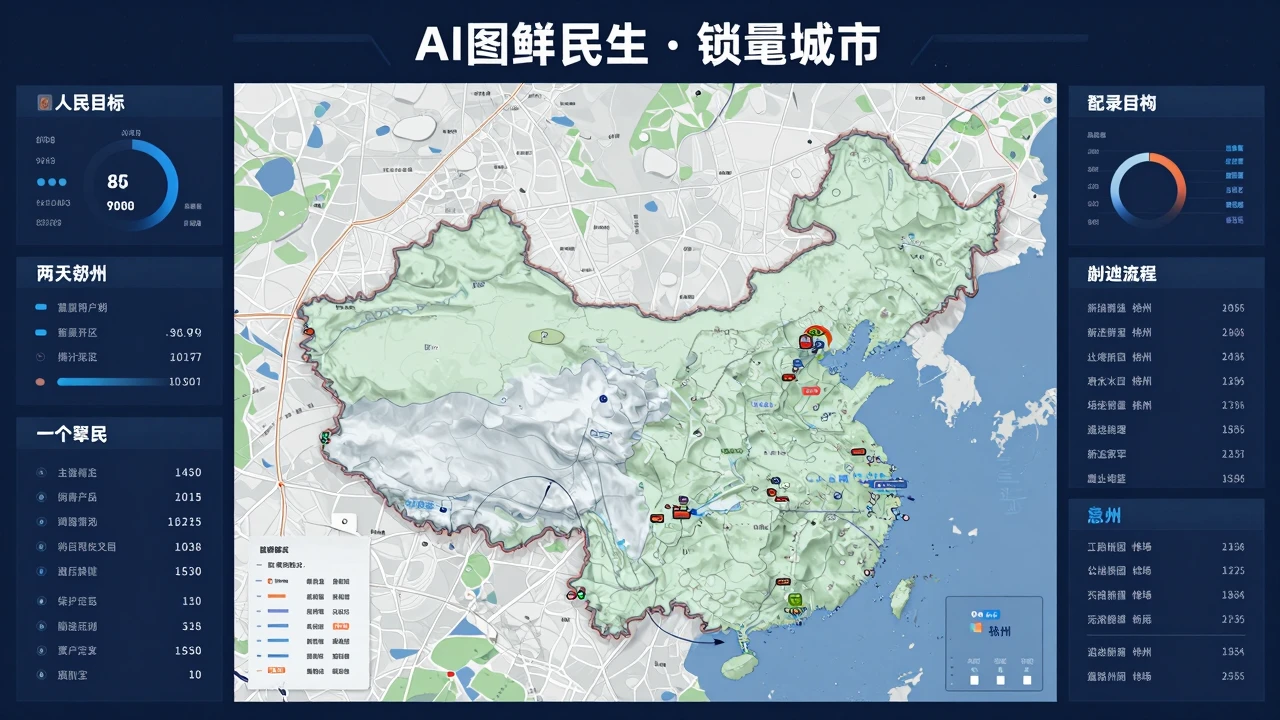
For city management departments considering the adoption of AI in security monitoring, key implementation points include careful technology selection to balance performance with scalability, such as prioritizing real-time processing capabilities to minimize latency in threat detection. Strong data governance frameworks are essential to maintain data quality and ensure compliance with privacy standards while focusing on public safety applications. Effect evaluation should be systematic, tracking indicators like the frequency of successful detections and the time saved in response to alerts. By following these guidelines, decision-makers can navigate the complexities of AI projects, starting with pilot programs in targeted areas to build momentum and gather evidence for wider deployment.
© 版权声明
文章版权归作者所有,未经允许请勿转载。