生成摘要
Building an enterprise RAG knowledge base often fails due to poor data cleaning or fragmented chunking, leading to unreliable AI responses. To overcome these hurdles, technical leaders must implement a rigorous pipeline involving strategic 10-20% chunk overlaps and a choice between pgvector or Weaviate based on scale. While LangChain offers quick setup, LlamaIndex provides the advanced indexing needed for production. How can organizations balance these frameworks with hybrid retrieval and reranking to ensure maximum precision?
— AI 生成,仅供参考
In the competitive landscape of business intelligence, enterprises are embracing Retrieval-Augmented Generation (RAG) to construct sophisticated Knowledge Bases that empower their teams with reliable AI assistance. This practical guide outlines the end-to-end process for technical leaders, covering data ingestion through vector retrieval to ensure seamless integration of internal knowledge into AI applications.
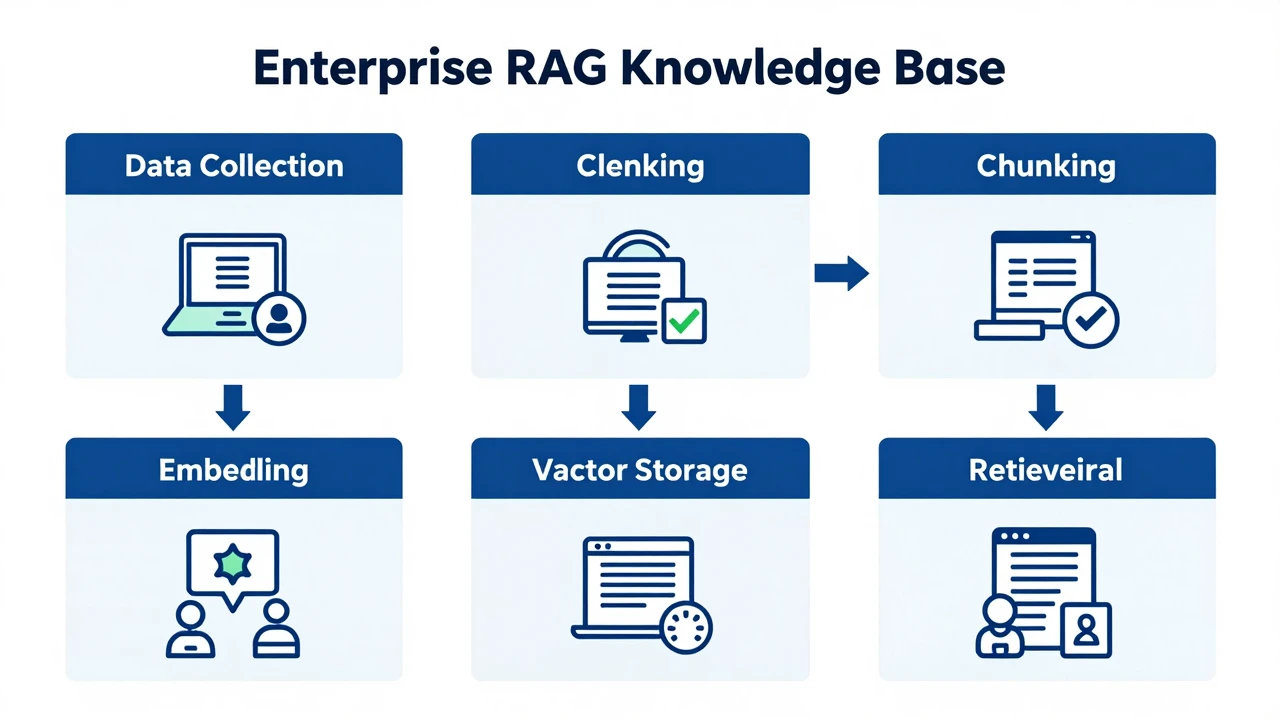
Data collection and cleaning form the bedrock of an effective RAG system. Start by identifying and aggregating documents from corporate repositories, ensuring they represent the full spectrum of internal knowledge. Clean the data by standardizing formats, removing duplicates, and correcting encoding issues. This meticulous preparation is crucial because garbage in, garbage out—suboptimal input data directly impacts retrieval quality and system reliability.
Next, implement smart document chunking. Break down lengthy documents into smaller, coherent segments that align with common user queries. For narrative content, introduce strategic overlaps of 10 to 20 percent between chunks to preserve context. This approach prevents the retrieval of fragmented information and enhances the overall relevance of responses.
Vectorization transforms these chunks into dense embeddings that capture semantic meaning. Store these vectors in a dedicated vector database optimized for fast nearest-neighbor searches. Select the database based on your scale and query complexity—pgvector works well for straightforward PostgreSQL-based setups, while Weaviate excels in hybrid search scenarios that combine semantic and keyword matching for superior accuracy.
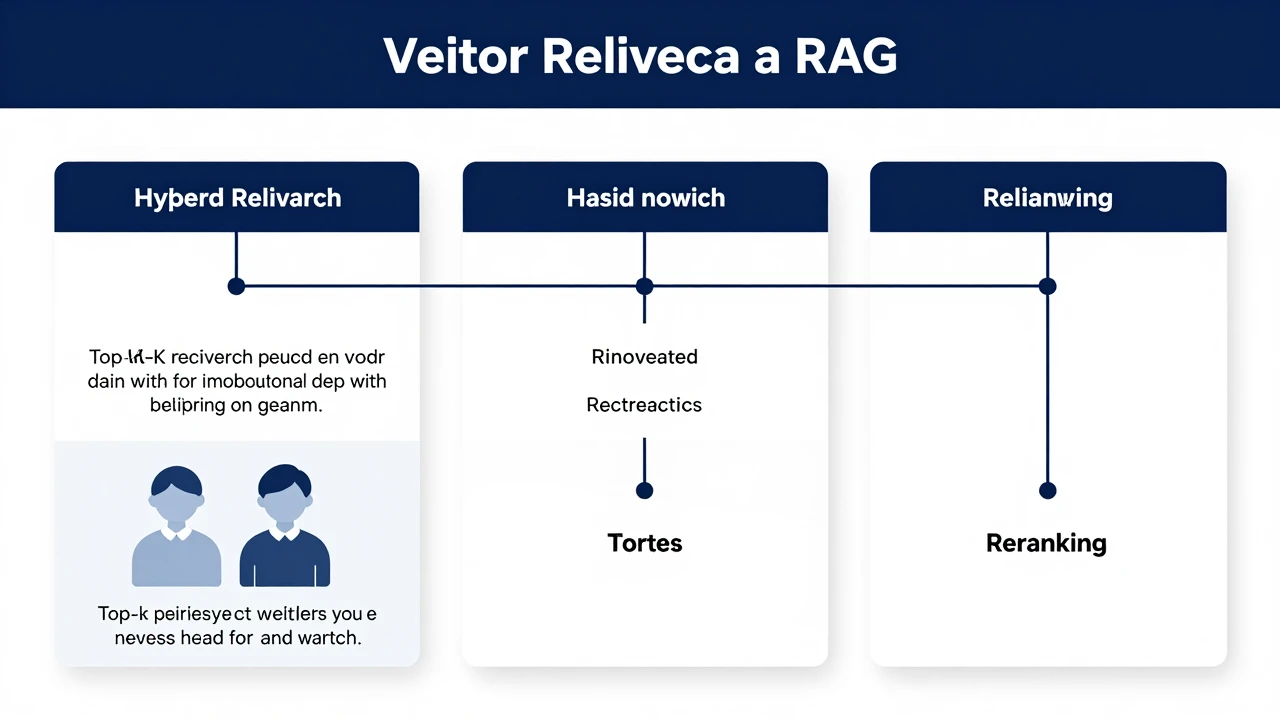
To optimize performance, focus on hybrid retrieval and reranking. Retrieve a larger pool of candidates initially, then apply reranking to the top results for better precision. Batch updates during low-traffic periods can minimize latency impacts. Additionally, consider creating specialized indices for different document categories to further refine search results.
When developing such systems, watch for common pitfalls like insufficient chunk overlap, lack of metadata filtering for access control, or failing to combine lexical and dense search methods. These issues can undermine the system's effectiveness in real-world deployments.
Comparing two leading open-source frameworks reveals key differences in approach and usability. LangChain provides a flexible yet simple framework for implementing core Vanilla RAG pipelines, ideal for teams prioritizing quick setup and basic retrieval integration. LlamaIndex, on the other hand, offers built-in tools for advanced indexing strategies and seamless reranking, making it particularly suited for enterprises needing robust production-grade performance out of the box.
By adopting this workflow and tailoring it to your specific needs, you can establish a reliable RAG knowledge base that transforms how your organization accesses and utilizes internal information.
© 版权声明
文章版权归作者所有,未经允许请勿转载。