Can AI public safety monitoring coexist with privacy rights?
AI驱动的智慧城市安全监控:案例与实施要点
A city street can feel safer when an AI system notices an abandoned object, an unusual crowd movement, or a blocked route before a person does. The same system can feel intrusive when residents are unsure what is being watched, how long information is kept, or who gets to decide that ordinary behavior looks “abnormal.” That tension is at the heart of the question: can public safety monitoring coexist with privacy rights?
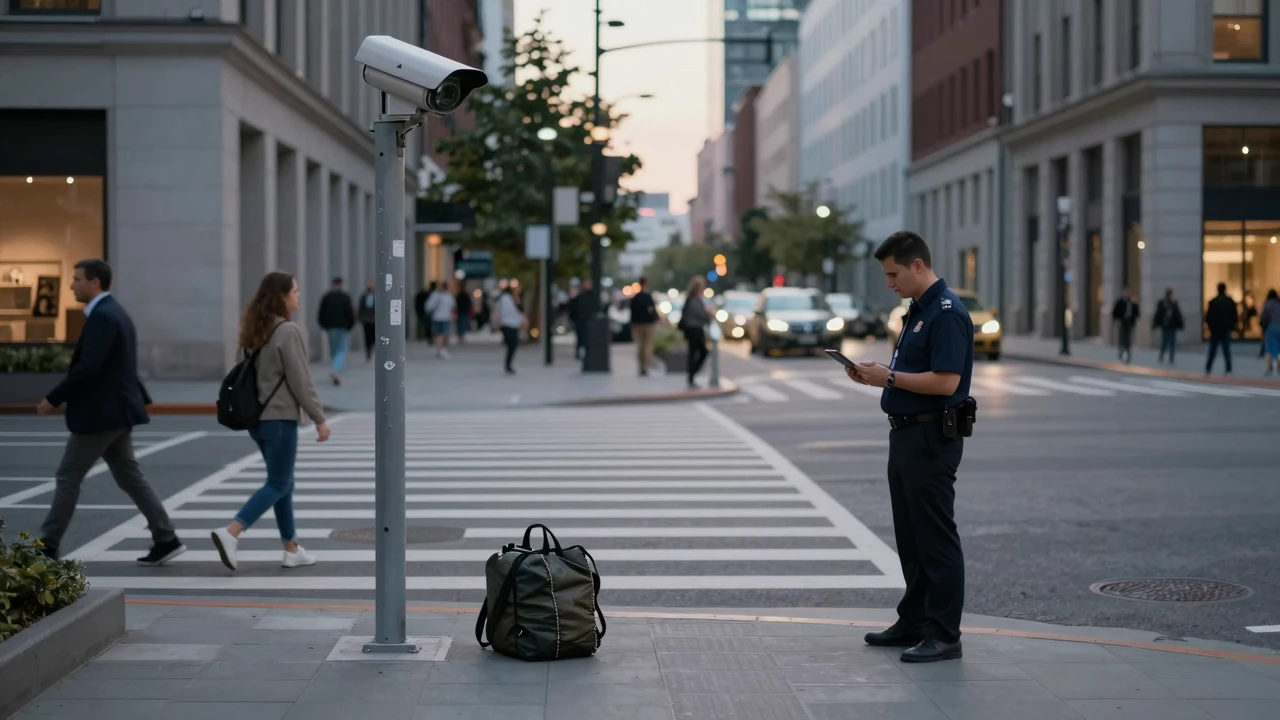
The answer depends less on whether AI is used and more on how its power is limited. Public safety systems can help officials process information from cameras, sound sensors, and official reports faster than a human team could manage alone. In Suzhou, for example, neural-network-based systems have been used to locate potential security issues and flag abnormal gatherings. Hangzhou’s City Brain began with traffic coordination and emergency vehicle movement before expanding into broader security monitoring. These examples show why cities find AI attractive: it can connect scattered signals and support quicker decisions.
But speed is not the same as accuracy, and an alert is not proof of wrongdoing. An unusual movement may be a genuine danger, a public event, a medical emergency, or simply behavior that falls outside a system’s assumptions. When automated detection is linked directly to law enforcement, a mistaken classification can affect a person before there is time for context or correction. Privacy concerns also extend beyond the moment of observation. Centralized data collection can create a detailed record of public life, even when each individual data point seems harmless.
What Responsible Monitoring Would Require
A workable balance starts with a narrow purpose. A system designed to identify an unattended object or support emergency response should not quietly become a tool for tracking unrelated personal activity. The more purposes a platform accumulates, the harder it becomes for the public to understand its boundaries.
Transparency matters just as much. Residents should be able to learn what kinds of signals are analyzed, what triggers an alert, which departments can access the information, and how mistakes are reviewed. Cities do not need to reveal operational details that would undermine safety, but secrecy cannot be the default answer to every privacy question.
Human oversight is another essential safeguard. AI can prioritize incidents, but trained officials should examine context before serious action is taken. Feedback loops can improve detection accuracy by reviewing overlooked cases, yet those reviews should also examine false alarms and unequal impacts—not only successful interventions.
Evaluation should therefore measure more than faster response times or the number of detected risks. City managers should ask whether the system produces avoidable alerts, whether its purpose has expanded, and whether residents have meaningful ways to challenge misuse. Pilot programs in targeted areas can help gather evidence before wider deployment, but a pilot should test privacy protections as seriously as it tests technical performance.
The real choice is not simply between total surveillance and no technology. It is between systems governed by clear limits and systems that grow because nobody pauses to define them. Public safety may justify some monitoring, but trust depends on showing that safety is being pursued without treating everyone as a permanent suspect.





参与讨论
暂无评论,快来发表你的观点吧!